
The average vocal range describes the typical number of notes a person can sing comfortably from their lowest note to their highest note.
There is no single vocal range that applies to everyone. A person’s range depends on factors such as age, anatomy, training, voice type, and vocal technique.
For many untrained singers, the average usable singing range is around 1.5 to 2 octaves. With consistent training, many singers can develop approximately 2 to 3 octaves of controlled range.
However, vocal range is only one part of singing ability. A singer with fewer notes but excellent control, tone, and expression can be more effective than someone with a very large range.
Average Human Vocal Range
Vocal range is usually measured in octaves.
| Singer Level | Typical Vocal Range |
|---|---|
| Beginner singer | 1–2 octaves |
| Trained singer | 2–3 octaves |
| Advanced singer | 3+ octaves |
These are general estimates, not strict rules. Some beginners naturally have wider ranges, while some trained singers focus more on tone and control than extreme range.
What Is an Octave in Singing?
An octave is the distance between one musical note and the same note at a higher or lower pitch.
Examples:
| Notes | Range |
| C3–C4 | 1 octave |
| C3–C5 | 2 octaves |
| C3–C6 | 3 octaves |
The number of octaves a singer can produce helps describe the size of their range.
Average Male Vocal Range
Male voices are generally lower because male vocal folds are typically longer and thicker after puberty.
| Voice Type | Typical Range |
| Bass | E2–E4 |
| Baritone | A2–A4 |
| Tenor | C3–C5 |
Bass
Bass singers have the lowest common male voice type and are known for deep resonance and powerful low notes.
Baritone
Baritone is the most common male voice type. It has a warm tone and strong middle register.
Tenor
Tenors have the highest standard male voice type and are known for bright tone and stronger upper notes.
Average Female Vocal Range
Female voices usually occupy higher pitch areas because of differences in vocal anatomy.
| Voice Type | Typical Range |
| Alto | F3–F5 |
| Mezzo-Soprano | A3–A5 |
| Soprano | C4–C6 |
Alto
Altos are known for warm, rich lower notes and strong middle voices.
Mezzo-Soprano
Mezzo-sopranos have balanced voices with strength in the middle register.
Soprano
Sopranos specialize in higher notes and bright upper-register singing.
Average Vocal Range by Experience
Beginner Singers
Beginners often have a smaller usable range because they are still developing:
- Breath support
- Pitch control
- Vocal flexibility
- Register connection
A range of one to two octaves is common.
Intermediate Singers
With regular practice, singers often improve their:
- High notes
- Low notes
- Vocal transitions
- Stability
Many intermediate singers develop around two to three octaves.
Professional Singers
Professional singers often have larger and more controlled ranges.
Many develop:
- Strong register coordination
- Consistent tone
- Better vocal endurance
Some professional singers have ranges beyond three octaves, but exceptional singers are uncommon.
Average Vocal Range by Age
Age can affect vocal range because the voice changes throughout life.
| Age Group | Vocal Characteristics |
| Children | Higher voices and smaller vocal folds |
| Teenagers | Major vocal changes during puberty |
| Adults | More stable vocal range |
| Older adults | Possible changes in flexibility and strength |
Training and vocal health can influence how a voice develops over time.
What Determines Vocal Range?
Vocal Anatomy
A person’s natural range is influenced by:
- Vocal fold length
- Vocal fold thickness
- Larynx structure
- Resonance characteristics
These factors help determine natural voice tendencies.
Training and Technique
Proper training can improve usable range through:
- Better breath support
- Vocal flexibility
- Register coordination
- Resonance control
Voice Type
Voice type affects where a singer naturally feels comfortable.
Understanding vocal range and voice type helps explain why singers have different natural ranges.
Vocal Range vs Vocal Ability
A large vocal range does not automatically mean a better singer.
| Vocal Range | Vocal Ability |
| Number of notes a singer can reach | How well those notes are controlled |
| Physical capacity | Musical skill |
| Measured in octaves | Includes tone and expression |
Important singing skills include:
- Pitch accuracy
- Emotional expression
- Vocal control
- Musical interpretation
How to Measure Your Vocal Range
To measure your range:
- Warm up your voice.
- Find your lowest comfortable note.
- Find your highest controlled note.
- Count the distance between notes.
Avoid counting forced or strained notes because they do not represent your true usable range.
A vocal range test can help identify your current singing range.
Can Average Vocal Range Increase?
Yes, many singers can improve their usable range with proper training.
Helpful exercises include:
- Lip trills
- Vocal sirens
- Humming exercises
- Scale practice
- Mixed voice training
Learn more about vocal range exercises and how to increase vocal range.
Common Vocal Range Myths
| Myth | Reality |
| Everyone should have a 4-octave range | Natural ranges vary |
| More notes always mean better singing | Control matters more |
| Range cannot change | Training can improve usable range |
FAQ
What is the average vocal range for a singer?
Many untrained singers have around 1.5 to 2 octaves of usable range, while trained singers often develop around 2 to 3 octaves.
What is the average male vocal range?
Average male ranges vary by voice type, with bass, baritone, and tenor covering different note areas.
What is the average female vocal range?
Female vocal ranges vary by voice type, with alto, mezzo-soprano, and soprano representing common classifications.
How many octaves can the average person sing?
Many people can sing around 1.5 to 2 octaves without formal training, although individual ability varies.
Can vocal range increase with training?
Yes. Proper technique and consistent practice can improve flexibility, coordination, and usable singing range.
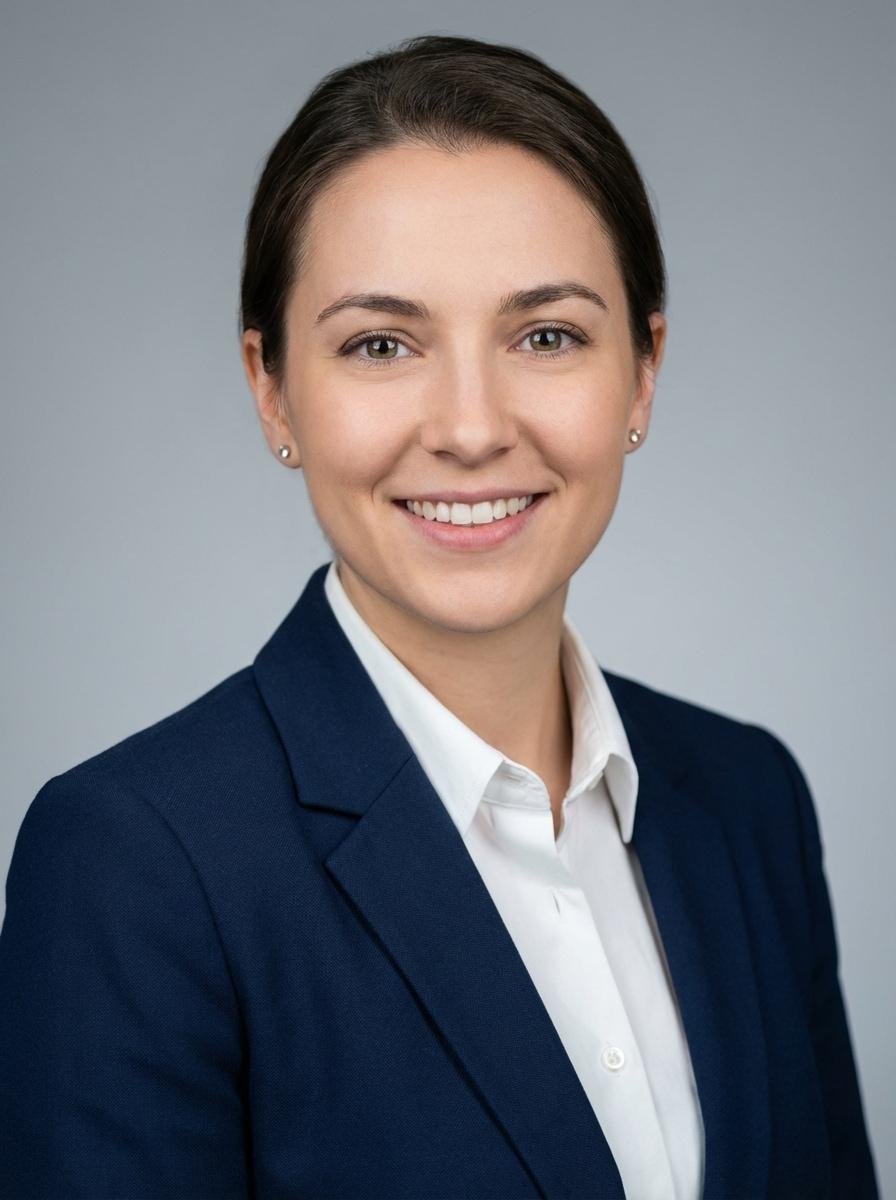
Nance is a vocal range and singing analysis writer at VocalRangeFinder. She focuses on vocal range testing, voice classification, pitch analysis, and singing education tools for vocalists, choir singers, musicians, and beginners.